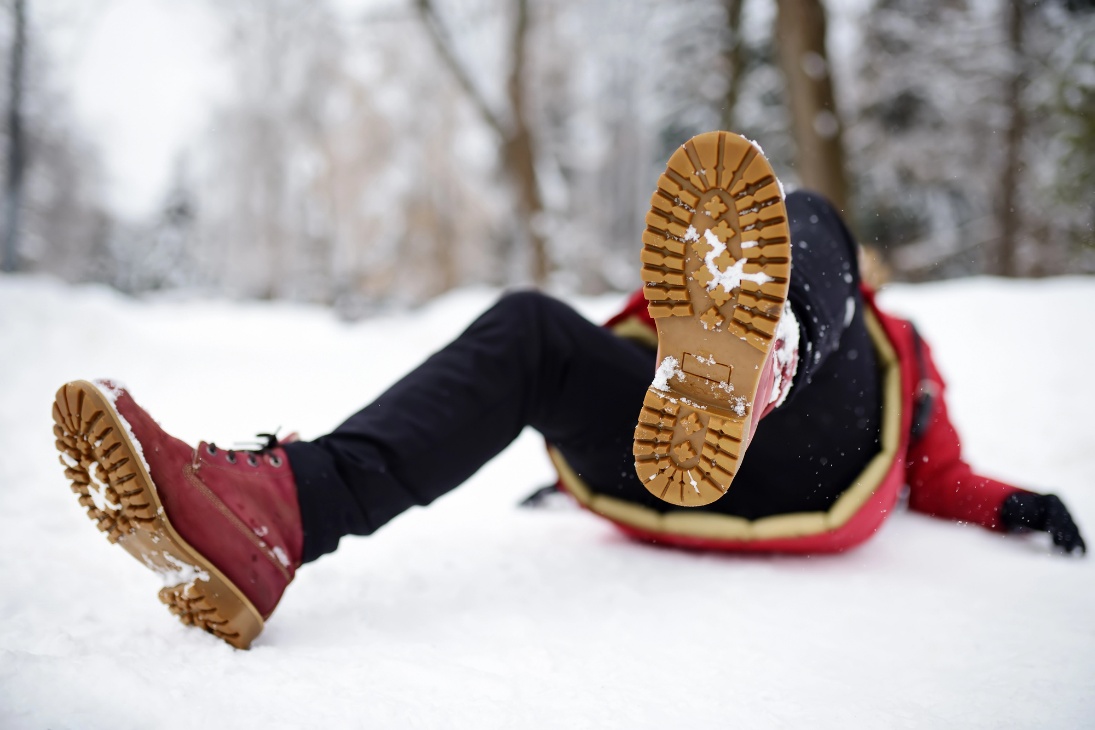
Icy sidewalks, parking lots, stairs and entrances are a fact of winter in Ontario. But the fact that snow and ice are common does not mean property owners can simply ignore dangerous conditions.
Under Ontario’s Occupiers’ Liability Act, an occupier of a property has a duty to take reasonable care in the circumstances to see that people entering the premises are reasonably safe. An “occupier” can include someone in physical possession of a property or someone who has responsibility for and control over its condition. Depending on the circumstances, there can be more than one occupier.
For someone injured in a slip and fall on ice, however, proving that ice was present is not necessarily enough to establish liability. The circumstances surrounding the fall, the condition of the property, the steps taken to address snow and ice, and the conduct of the injured person can all become relevant.
There is also an unusually short deadline that Ontario residents need to know about. If a personal injury is caused by snow or ice, written notice of the claim generally must be provided within 60 days of the injury incident. Anyone seriously injured in an icy fall should therefore consider speaking with an Ontario slip and fall lawyer as soon as possible.
Take note that the written notice requirement is within 10 days of the incident if a property is owned by the Town, City, Municipality, or Province. These properties can include, but are not limited to sidewalks and roads.
What Is a Property Owner Responsible for After Snow or Ice?
Ontario law does not require property owners to guarantee that their premises will always be completely free of snow and ice. Instead, the Occupiers’ Liability Act establishes a standard based on what is reasonable in the circumstances.
That distinction matters during an Ontario winter. Snow may be falling continuously, temperatures can change rapidly and ice can form unexpectedly. The question in a slip and fall claim is therefore not simply whether snow or ice existed. The issue is whether reasonable care was taken to keep people using the property reasonably safe.
The answer depends on the specific circumstances. Relevant evidence could include when the snow or ice developed, what inspection or maintenance procedures were in place, whether snow removal or salting occurred, the condition of the area before the fall and whether the occupier knew or reasonably should have known about a hazardous condition.
Kalsi & Associates handles occupiers’ liability and other personal injury cases throughout Ontario.
Who Is Considered an “Occupier” in Ontario?
Under the Occupiers’ Liability Act, an occupier includes a person who is in physical possession of premises or someone who has responsibility for and control over the condition of the premises, activities carried on there or people allowed to enter. More than one party can qualify as an occupier.
A property owner might have contracted another company to perform winter maintenance, for example. Depending on the facts, questions can arise about the responsibilities of the owner, occupier and snow-removal contractor.
Identifying the correct parties is one reason it can be helpful to consult a slip and fall injury lawyer early in the process.
Common Locations for Slip and Fall Accidents on Ice
Winter falls can occur on many types of private and commercial property. Parking lots and sidewalks are obvious examples, but icy conditions can also develop on stairs, ramps, pathways and around building entrances.
Commercial properties can present additional questions because different parties may have responsibility for different areas. A landlord, tenant, property-management company or winter-maintenance contractor could potentially have responsibilities depending on the particular arrangement and circumstances.
A slip and fall accident lawyer can investigate who had responsibility for the area where the accident occurred.
What Is the 60-Day Notice Rule for a Slip and Fall on Ice in Ontario?
This is one of the most important differences between an ordinary personal injury claim and an Ontario claim involving snow or ice.
Under section 6.1 of Ontario’s Occupiers’ Liability Act, a person seeking damages for personal injury caused by snow or ice generally must provide written notice within 60 days after the injury occurred.
The notice must include the date, time and location of the occurrence. It must be personally served or sent by registered mail to at least one of the parties specified by the legislation, which include an occupier or an independent contractor employed by the occupier to remove snow or ice during the relevant period.
Take note that the written notice requirement is within 10 days of the incident if a property is owned by the Town, City, Municipality, or Province. These properties can include, but are not limited to sidewalks and roads.
If you have suffered an injury from snow or ice, the safest approach is to address the notice requirement promptly.
What Should You Do After a Slip and Fall on Ice?
Your health should come first. Seek appropriate medical attention, particularly if you hit your head, cannot put weight on a limb or develop significant pain following the fall.
If you are able to do so safely, documenting the scene can also be extremely valuable. Snow and ice conditions can change quickly, so photographs or video taken shortly after the accident may provide evidence that cannot be recreated later. Try to capture the specific area where you fell as well as the surrounding property.
Report the accident to the property owner, manager or other responsible person and make a record of who was notified. If anyone witnessed the fall or saw the condition of the property beforehand, obtaining their contact information may also be helpful.
Keep records related to the accident and your injuries, including medical treatment, medications, rehabilitation, time missed from work and expenses associated with the injury.
Because Ontario imposes the 60-day notice requirement for injuries caused by snow or ice, contacting a slip and fall lawyer promptly can also help ensure that applicable deadlines are identified.
When Should You Contact a Slip and Fall Lawyer?
The short answer for an injury involving snow or ice is: sooner rather than later.
Ontario’s 60-day notice requirement makes timing particularly important, and evidence of winter conditions can disappear quickly. Early investigation can help preserve photographs, surveillance footage, maintenance information, witness evidence and other records relevant to determining what happened.
A lawyer can also investigate who actually had responsibility for the property. Depending on the circumstances, that could involve a property owner, occupier, property-management company, commercial tenant or winter-maintenance contractor.
Kalsi & Associates represents injured people in slip and fall and occupiers’ liability cases throughout Ontario. If you have been injured in a fall and are unsure who may be responsible, contact an experienced Ontario slip and fall lawyer to discuss your circumstances.
Frequently Asked Questions About Slip and Falls on Ice or Snow
Is a property owner automatically responsible if I slip on ice or snow?
No. The presence of ice does not automatically make a property owner or occupier liable. Ontario law requires occupiers to take reasonable care in the circumstances to keep people reasonably safe. Liability depends on the particular circumstances surrounding the property, hazard and accident.
How long do I have to report a slip and fall on ice or snow in Ontario?
For a personal injury caused by snow or ice, Ontario’s Occupiers’ Liability Act generally requires written notice within 60 days after the injury incident. The notice must include the date, time and location and must be delivered in accordance with the legislation. Limited exceptions can apply.
Who is responsible for clearing snow and ice from a property?
Responsibility depends on who has possession or control of the premises and the arrangements in place for winter maintenance. Depending on the property, an owner, occupier, property manager, tenant or snow-removal contractor may have relevant responsibilities.
Can I sue if I slipped on black ice?
Potentially. The fact that ice was difficult to see does not by itself determine liability. The issue is whether the applicable occupier or other responsible party failed to take reasonable care in the circumstances and whether that failure caused the injury.
What should I do after slipping on ice?
Seek medical attention and, if possible, document the location and icy conditions before they change. Report the accident, obtain witness information, keep records relating to your injuries and expenses, and be aware that Ontario generally requires written notice within 60 days for snow- or ice-related injury claims.
Can I still make a claim if I was partly responsible for my fall?
Potentially. Contributory negligence can reduce the damages recoverable when an injured person is found partly responsible, but it does not necessarily prevent a claim altogether.